From hospitals and schools to transport hubs and food production sites, disinfection is central to breaking the chain of infection and protecting community health. The COVID-19 pandemic highlighted how crucial surface hygiene and environmental control are in reducing the spread of harmful microorganisms. Yet, beyond emergency response, routine and validated disinfection practices remain the cornerstone of safe and sustainable public health systems.
The Role of Disinfection in Community Safety
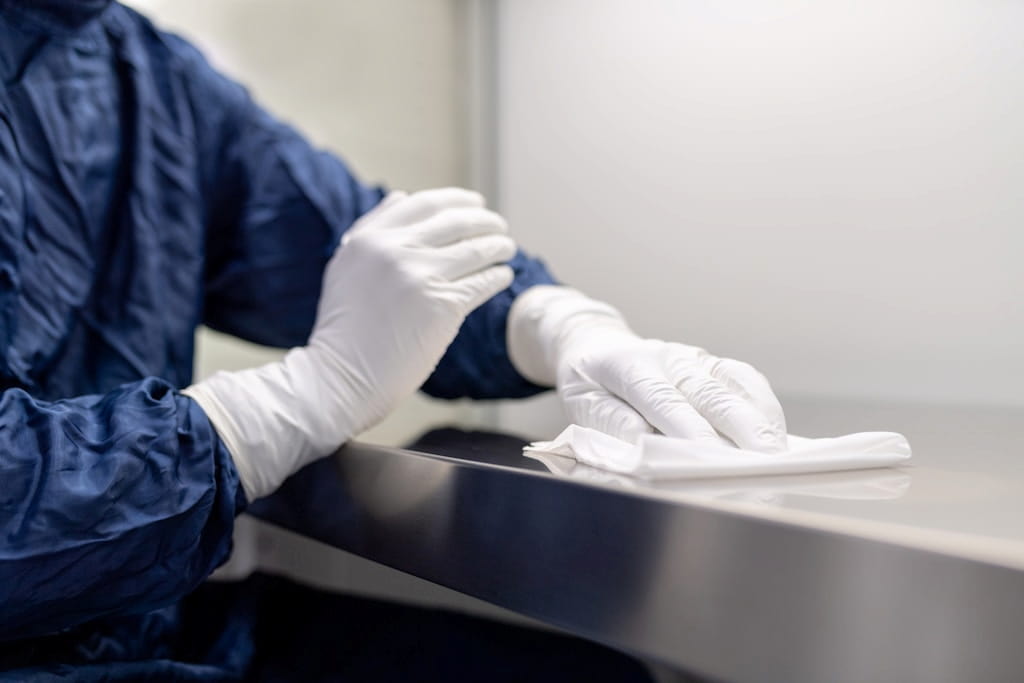
Everyday public spaces accommodate large volumes of people, creating countless opportunities for microbial transmission. Regular cleaning helps remove visible dirt, but it does not necessarily inactivate pathogens. Disinfection bridges that gap by eliminating or reducing microorganisms on contact surfaces, equipment, and high-touch areas.
Professional hygiene programmes apply science-based approaches to ensure consistent results. Factors such as contact time, concentration, and surface compatibility must be precisely managed to achieve effectiveness without damaging materials or introducing unnecessary risk. In sectors like healthcare and food handling, these principles form part of strict compliance frameworks designed to protect both workers and the public.
Building Trust Through Hygiene Compliance
Visible cleanliness contributes to public confidence, but measurable microbial control is what underpins true safety. Institutions that implement documented disinfection protocols not only reduce infection risks but also demonstrate regulatory accountability. In Europe, the Biocidal Products Regulation (BPR) defines standards for formulation safety, labelling, and efficacy testing, helping organisations choose products that meet defined performance criteria.
Consistent application of validated disinfection practices ensures continuity across teams and sites, supporting compliance with occupational hygiene and environmental health regulations. In sectors where certification and audits are routine, traceability of disinfectant use has become an essential part of quality assurance.
Selecting the Right Tools for Effective Surface Protection
Surfaces are among the most common vectors for microorganism transfer in shared environments. High-touch points such as tables, switches, and door handles demand frequent and reliable treatment. Selecting the right chemistry and format depends on both operational constraints and risk level.
A professionally formulated surface disinfectant should provide proven efficacy against a broad spectrum of microorganisms while remaining compatible with materials found in public facilities. Ready-to-use liquids and pre-saturated wipes simplify daily routines and reduce preparation errors, supporting consistent results even under time pressure.
Effective hygiene planning also includes surface audits, staff training, and monitoring to confirm that disinfection procedures are followed correctly and that performance is maintained over time.
Sustainability and the Next Generation of Hygiene Solutions
Modern public health strategies increasingly integrate environmental sustainability with infection prevention. Disinfectants are now formulated to reduce volatile emissions, packaging waste, and environmental persistence while maintaining strong antimicrobial performance. Advances in formulation chemistry allow for lower concentrations of active ingredients, less rinse water, and improved material protection.
As cities, healthcare networks, and industrial facilities adapt to new hygiene expectations, these innovations make it possible to achieve both safety and environmental responsibility. The integration of automation, digital monitoring, and eco-designed chemistry represents the next step in protecting public health through smarter, more sustainable disinfection practices.
Did you find this helpful? Check out our other helpful articles on our website.
Read Also
- What Today’s Patients Expect From Healthcare Brands
 Healthcare is no longer experienced only through appointments, prescriptions, or hospital visits. Patients now interact with healthcare brands through websites, mobile applications, educational articles, product instructions, customer support teams, social media, and online reviews. Every one of these interactions influences how people judge a company. This shift has raised expectations. Patients want accurate information, convenient… Read more: What Today’s Patients Expect From Healthcare Brands
 - Top Trends Shaping the Future of Mental Health CareMental health care is moving fast to meet daily human needs. People want direct care that fits modern life. Clinics respond by creating flexible options that make healing easier to reach. Providers look past rigid habits to give people solid care. From smart tools to body wellness, these changes help people find relief when life… Read more: Top Trends Shaping the Future of Mental Health Care
- Can Outsourced Telepsychiatry Help Healthcare Organizations Keep Pace With Modern Mental Health Screening?Mental healthcare is changing quickly, but many hospitals, clinics, schools, correctional facilities, and community health organizations do not have enough psychiatric professionals available to turn new screening approaches into timely clinical care. Outsourced telepsychiatry offers one way to close that gap. FasPsych, for example, connects healthcare organizations with psychiatrists, psychiatric nurse practitioners, and other behavioral… Read more: Can Outsourced Telepsychiatry Help Healthcare Organizations Keep Pace With Modern Mental Health Screening?
- Five operational checks for choking readiness in healthcare facilitiesA facility can have a choking poster on every wall and still be unprepared. Preparedness shows up when someone can recognize the emergency, call the right response, bring the right people and supplies to the room, and hand over clear information without losing time. That test belongs in operations as well as clinical education. The… Read more: Five operational checks for choking readiness in healthcare facilities
- Understanding the Demand for Correctional Healthcare ProfessionalsHave you ever wondered who cares for people when they get sick inside a prison? Many people do not realize that jails and prisons need skilled medical teams every single day. By reading this guide, you will learn why these important jobs are growing fast and how you can join this rewarding career field. Caring… Read more: Understanding the Demand for Correctional Healthcare Professionals
- Patient Engagement and Pharmaceutical Support Services: Building a Better Patient JourneyPatients rarely experience healthcare as a simple, linear process. They may need to understand a diagnosis, determine whether they qualify for a clinical trial, gather medical records, navigate insurance requirements, arrange transportation, learn how to use a medication, and stay engaged with treatment for months or years. Serva Health is one example of a specialist… Read more: Patient Engagement and Pharmaceutical Support Services: Building a Better Patient Journey
- Industrial Container Recycling and Waste Management Services: A Practical Guide for BusinessesIndustrial container recycling is an essential part of responsible waste management for manufacturers, warehouses, laboratories, automotive businesses, chemical companies, food processors, and other organizations that regularly handle bulk materials. A strong example is Kelly Drums, a Mid-Atlantic provider of reconditioned drums and comprehensive container management solutions. The company specializes in the pickup, recycling, reconditioning, and… Read more: Industrial Container Recycling and Waste Management Services: A Practical Guide for Businesses
- BCBA & RBT Salary by State 2026 | Behavior Analyst PayPay in applied behavior analysis is harder to pin down than in almost any other healthcare field. Two professionals with the same certification can earn $40,000 apart for no reason other than the state line between them. So before you accept an offer, ask for a raise, or relocate for a bigger paycheck, it helps… Read more: BCBA & RBT Salary by State 2026 | Behavior Analyst Pay